Table of Content
The first step in developing your smart home technology marketing strategy is knowing which audience to target your marketing at. According to the 2020 E Source Smart Home Consumer Survey, individuals 18 to 34 who live in single-family homes and make between $25,000 to $75,000 annually are most likely to purchase smart tech in the next year . Clearly define product plans, with a focus on monetization models and operating costs.A smart-home vendor can focus on hardware, data, consumer behavior , utilization, and optimization of related services, among other areas. Leverage smart-home data.This will help vendors learn about consumer preferences and behaviors and create a more targeted, ultimately superior user experience.
Boston Consulting Group partners with leaders in business and society to tackle their most important challenges and capture their greatest opportunities. Today, we work closely with clients to embrace a transformational approach aimed at benefiting all stakeholders—empowering organizations to grow, build sustainable competitive advantage, and drive positive societal impact. Taking a bionic approach to digital transformation can lead to successful business outcomes.
"Stores are the new media": Q+A with Adobe's Micha...
At the same time, the A/V segment is moving beyond connected speakers and touchscreens. The prevailing alternatives for the mass market are somewhere between those two extremes. Here we find security-centric smart home solutions that are often bundled with subscription plans for monitoring and video storage such as Vivint and Ring. These provide a well-integrated experience but usually offer limited ability to add devices from other brands. North America is expected to hold the largest market share during the forecast period.

Get a daily newsletter packed with stats about trends affecting your industry. Payment is the transfer of one form of goods, services, or financial assets in exchange for another form of goods, services, or financial assets. A blockchain is a digitally distributed, decentralized, public ledger that exists across a network. Automated irrigation systems have had the ability to be programmed for a while. Now, smart irrigation systems field climate and environmental conditions an factor those traits into existing water schedules.
Digital Transformation
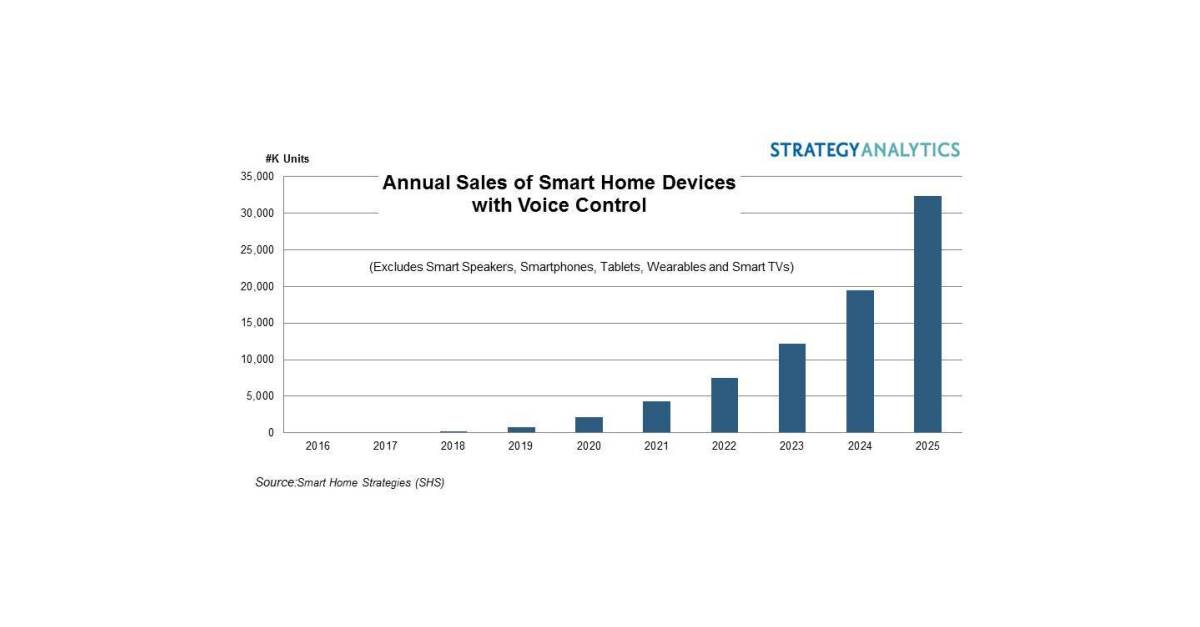
The startup’s app gives access to real-time data to allow users to optimize their lifestyles and achieve health goals. Smart appliances, such as smart refrigerators, air conditioners, and washing machines, are built with cutting-edge technology that allows them to operate efficiently while consuming less energy. The market's growth will be fueled by factors such as major advancements in technologies such as cellular and networking technologies, IoT, and others. There is an increasing demand for value-based, and on-demand home automation solutions as the adoption of cloud-based systems grows. A smart home is an automated home setup that includes a wide range of products, including smart lighting, home security, smart appliances, smart entertainment, and others.
These solutions complement each other to create an intelligent, connected home. The smart home industry is transitioning towards automation and digitalization. Connected home startups and scaleups are developing solutions aimed at providing homeowners with the best home experience while maintaining safety. Smart home connectivity, smart home security, personalized health management, and next-generation entertainment are some major smart home trends. Many smart home owners are also integrating robotics into their daily lives to automate mundane tasks. Many smart home trends are in the development process and are witnessing rapid innovation.
Want more information on customer preferences for smart home technology?
The use of multiple connected home devices and other appliances often results in high energy consumption. To avoid this, smart energy management ecosystems control and automate energy usage. Energy management appliances improve energy consumption and storage efficiency.
In addition to lighting, it features add-ons such as a charger, sensor, camera, deodorizer, and bug repeller to provide a personalized experience. The startup’s smart lighting automation solution enables full control of light and air conditioning at home using voice control or an app. This allows remotely programming location and time settings according to user preferences.
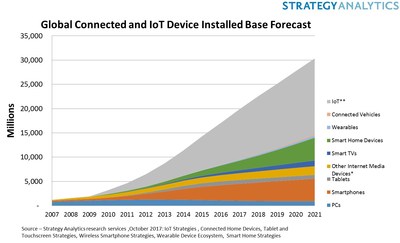
This factor shows that within some years, there would be massive clusters of sensors, devices, and things that would communicate through high-speed technology such as 5G. Such a growing proliferation of the internet of things devices is likely to drive the market towards a higher growth trajectory. Next generation entertainment, including smart home customization and intelligent entertainment systems, is another major smart home trend. To provide the ability for customized living spaces were developed AI and AR-based furniture reconfigurable materials.
They need to think about partnerships and view themselves as part of an ecosystem that brings real value to consumers through seamless product integration and services. Within the healthcare industry, there is a growing development of products focused on individual human health. To this end, personalized health management incorporates a range of innovative technologies to deliver care at home. Some of these technologies include health monitoring, sleep tech, smart pet care, and smart health appliances. Smart health monitoring enables emergency detection, illness diagnosis, and fall detection, applications that particularly help senior or chronic disease patients. Focusing on improving the sleep experience, smart appliances were developed for health conditions tracking and improving sleeping habits.
Moreover, by using LED technology, the startup’s solutions save energy, while providing a variety of conveniences for homeowners built into the lamp. The global smart home market research report includes a detailed analysis of the market and focuses on key aspects, such as leading companies, product types, and leading product applications. Besides this, it offers insights into the market trends and highlights key industry developments. In addition to the aforementioned factors, the report encompasses several factors that have contributed to the growth of the advanced market over recent years. The IoT platform is one of the most significant global economic drivers for the smart home market growth. According to GSMA Intelligence, the IoT connections are expected to reach approx.
Samsung recognizes when it comes to the smart home ecosystem, a “mix and match” approach is the only way to provide the maximum amount of device support flexibility. As such, the company’s portfolio offers low-cost hub and sensors that support hundreds of compatible connected devices across the smart home spectrum. While the smart home offers convenience and cost savings, there are still challenges. Security risks and bugs continue to plague makers and users of the technology.
With consumers increasingly opting for sustainable lifestyles, initiatives to reduce emissions are also making their way to homes. Some of these innovations include the use of renewable energy, sustainable materials, and rethinking water storage and conservation. With the incorporation of renewable energy through photovoltaic cells, solar hot water harvesting, and energy harvesting, homes have access to sustainable energy.
We also asked customers what the most appealing benefits were of smart home systems. Based on data from our 2020 Smart Home Consumer Survey, energy savings was the most appealing benefit, followed by saving money through connected-device optimization and improved home security. An interesting trend is the merging of the health and well-being sector into the smart-home industry.


No comments:
Post a Comment